Generate images from a prompt or edit and combine existing images with GPT Image 2. Multilingual text, poster and editorial layouts, and conversational revisions — then send results to Image to Layers.
GPT Image 2 Studio
Visual SynthesisPrompt-to-image synthesis, multi-reference blend, and intelligent background segmentation.
Image
OptionalAdd Image
Click or drag one source image here to start editing.
PNG, JPG, JPEG, or WEBP. The upload card is the primary starting point.
Enter a clear edit instruction. Cmd/Ctrl + Enter runs when ready.
0/500Advanced
Create Result
Add a prompt before running.
Interactive before / after inspection
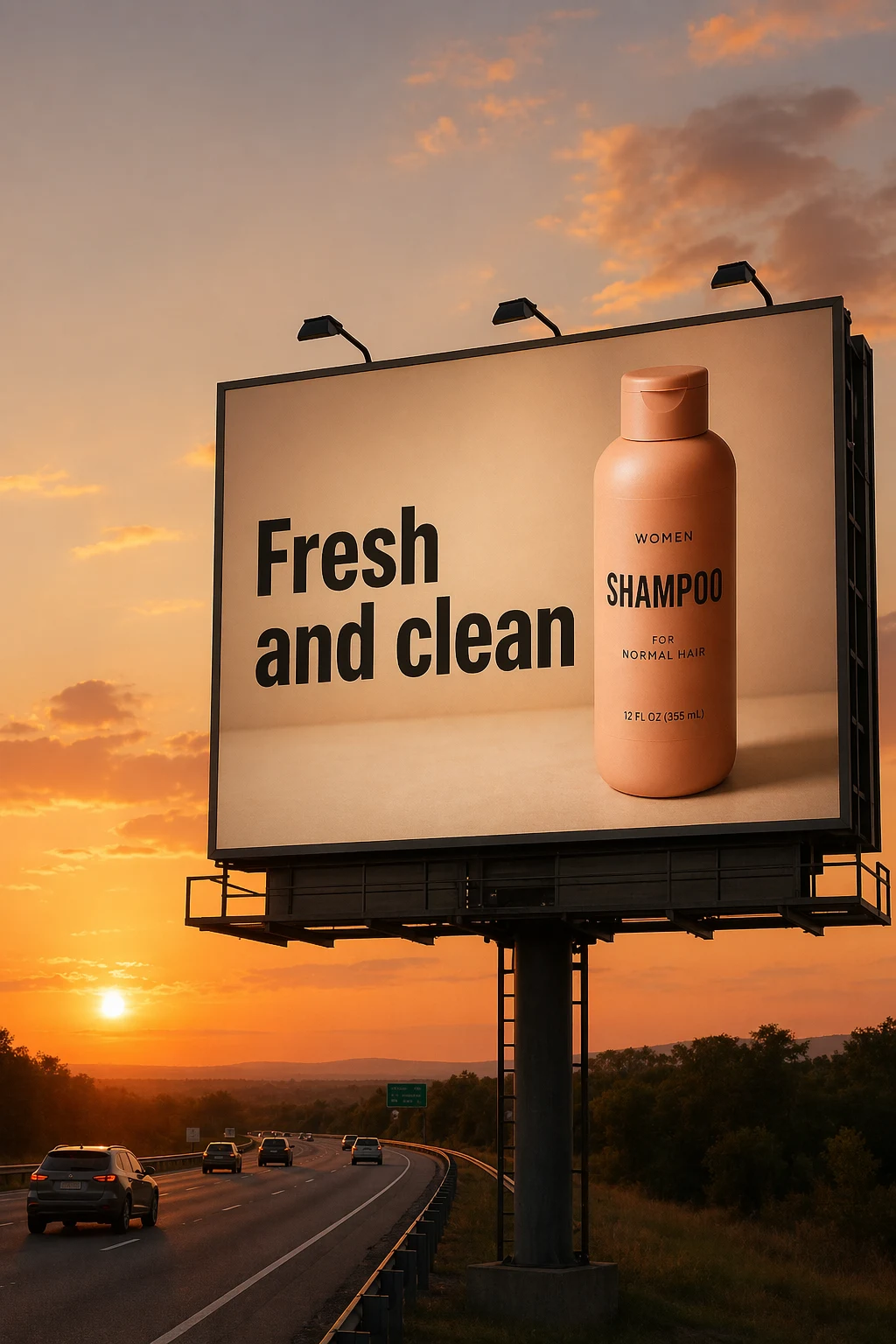
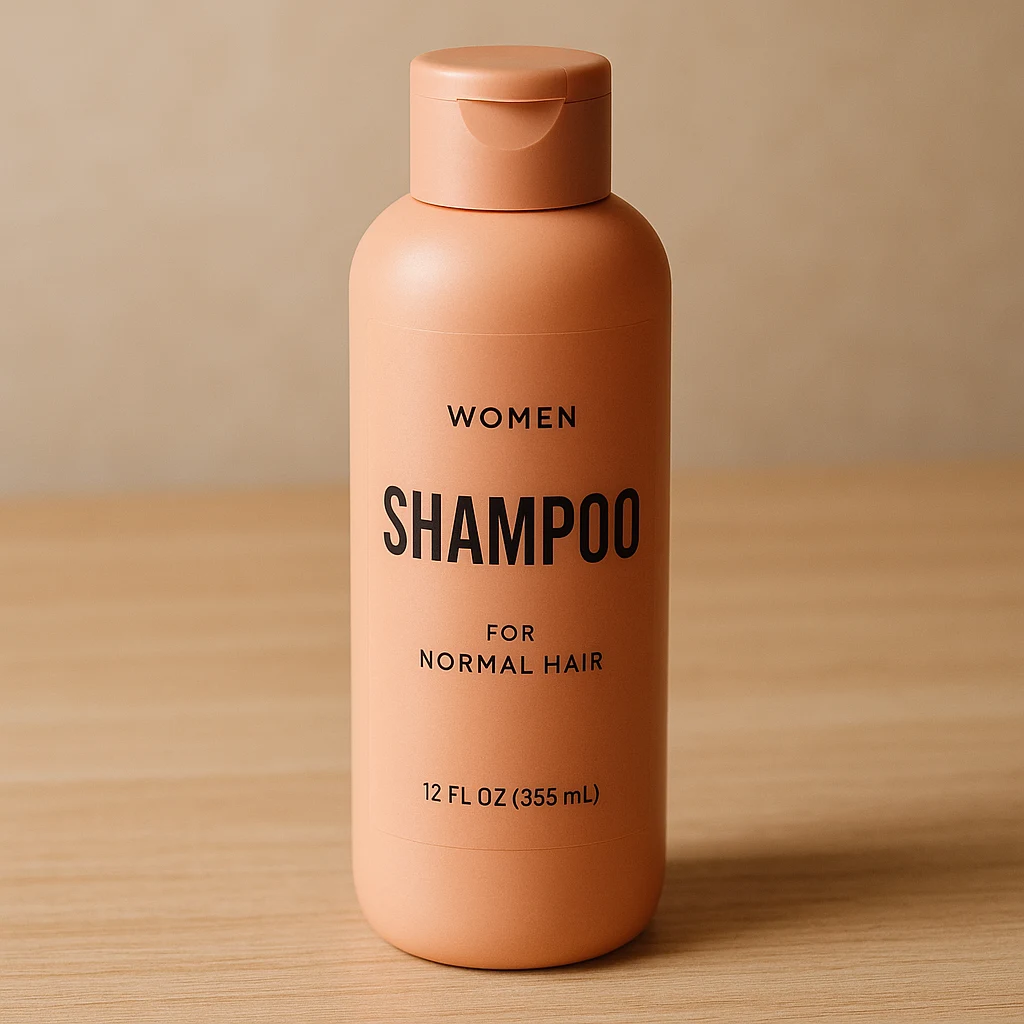
Studio Quality Standard
Studio capabilities
Reference images (up to 10) guide composition and style. Mask-guided editing isn't available for this model — use a full-image edit or Send Revision instead.
Write a prompt, add optional images, set your output, then review and refine.
Describe what to generate, or the exact change to make if you're starting from a source image.
Upload up to 10 images to edit, combine, or use as style and layout references.
Choose 1:1, 3:2, or 2:3, a quality level, and an opaque or auto background.
Compare the result, send a revision to adjust it, or send it to Image to Layers for layer-based editing.
Real controls for generation and editing, not decorative toggles.
Generate a new image from just a text prompt — no source image required.
Send a follow-up instruction to refine a result without restarting the prompt.
Combine up to 10 source and reference images into one new visual.
Generate posters, infographics, and graphics with visible multilingual text.
Choose from 3 aspect ratios and an opaque or auto background.
Combine a product reference with a new scene and refine it through follow-up instructions.
Create a structured layout with a clear headline and visible text.
Change a specific element in an existing photo while preserving the rest.
Combine a product, a person, and a style reference into one new visual.
Move a finished generation into layer-based editing.
Each model is a better fit for a different job. Here's how they actually compare.
| GPT Image 2 | Nano Banana Pro | Nano Banana 2 | |
|---|---|---|---|
| Credit pricing | Flat — same at every quality level | Scales with output resolution | Flat — same at every resolution |
| Aspect ratio options | 3 (1:1, 3:2, 2:3) | 10 presets + Auto | 14 presets + Auto |
| Output resolution control | Not available | 1K / 2K / 4K | 1K / 2K / 4K |
| Reference images | Up to 10 | Up to 13 | Up to 13 |
| Results per run | 1 | 1-4 | 1-4 |
| Background control | Opaque or Auto | Not applicable | Not applicable |
| Prompt-only generation | Supported | Supported | Supported |
| Mask-guided editing | Not supported | Not supported | Not supported |
Choose GPT Image 2 for conversational editing, text-rich visuals, and multi-image composition. Choose Nano Banana Pro or Nano Banana 2 when you need resolution control or a wider range of aspect ratios.
Create text-rich layouts with a clear visual hierarchy.
Combine product references into new commercial scenes.
Change a specific element while preserving the rest of the image.
Create character sheets and multi-scene narrative visuals.
Merge products, people, and style references into one visual.
Text rendering is strong, but small packaging copy, prices, and exact logos should always be checked.
Substantial edits may alter packaging proportions, labels, or other product-specific details.
Repeated or major edits can gradually change facial or character details.
Long revision chains can drift from the strongest earlier result — branch from a good version instead of endlessly editing one output.
GPT Image 2 creates a flat image. Use Image to Layers for transparent assets and layered PSD export.
Creative Toolkit Index
Quick access to precision layer extraction, AI photo editing & asset tools.