★♥✿☺✦♢☀●✧
One sticker sheet
Multiple stickers arranged on one canvas.
Upload an image containing multiple stickers, icons, illustrations, or isolated visual elements.
Upload your image
JPG, PNG, WebP up to 10MB · Drag & drop anywhere
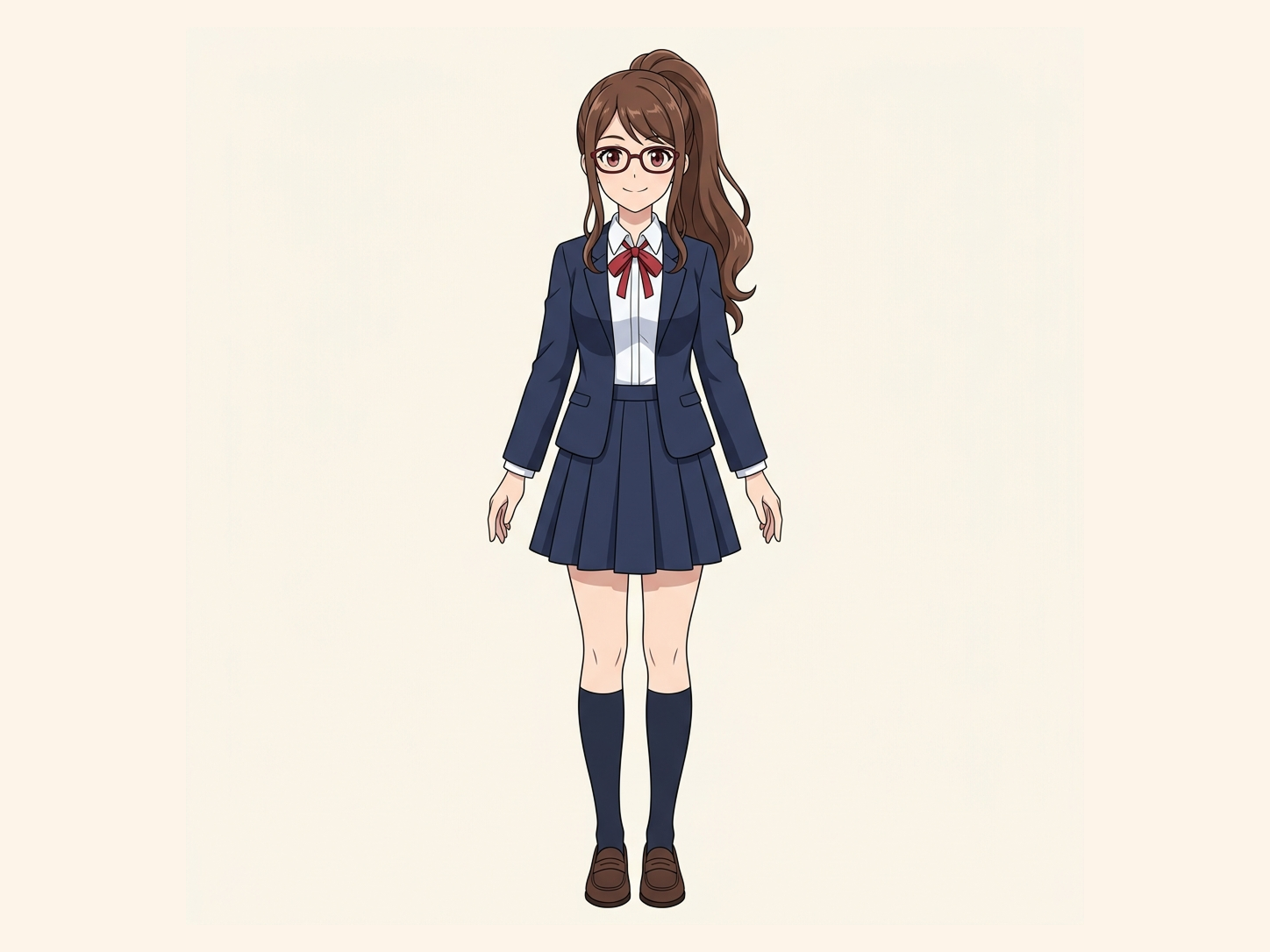
Need hair, face, eyes, mouth, clothing, or body-part layers?
Leave this blank to let Detailed Layers identify the main editable elements automatically. Or name the parts you want separated.
Want more control over your layers?
Learn how to guide Detailed Layers with simple prompts, choose useful elements, and get cleaner layer structures from different types of images.
Upload an Image to Continue
Private File Handling
Uploaded files are associated with your account and delivered through signed URLs. You can delete completed jobs manually.
Transparent PNG Output
Detailed Layers returns each detected element as its own layer on a transparent background.
For better results, use:
Split One Sticker Sheet Into Separate AssetsHave multiple stickers, icons, or illustrated objects packed into one image? Upload the sheet and separate supported visual items into individual transparent layers. Use the extracted assets for design, print-on-demand, digital downloads, social graphics, and other creative workflows.
One Sheet, Many Assets
Turn one packed canvas into individual sticker graphics you can reuse, edit, print, or package.
Multiple stickers arranged on one canvas.
Choose the number of visual objects to separate.
6 assets
9 assets
12 assets
Have multiple stickers, icons, or illustrated objects packed into one image? Upload the sheet and separate supported visual items into individual transparent layers. Use the extracted assets for design, print-on-demand, digital downloads, social graphics, and other creative workflows.
Upload one image and separate multiple visual elements into reusable transparent assets.
One Image, Many Separate Assets
AI image generators and illustration tools often create multiple visual elements in one canvas.
For example:
The problem is that all of them are trapped inside one flat image.
Sticker Sheet to Layers helps separate those visible elements into individual reusable assets.
Built for AI-Generated Sticker Sheets
Prompts such as:
often generate several items in one image.
That is useful for ideation, but less useful when you need each element separately.
Use Sticker Sheet to Layers to split the combined result into independent visual assets.
Separate Individual Stickers
The workflow analyzes the image and looks for distinct visual objects.
Depending on the sheet, this may include:
Each supported object can be separated from the rest of the sheet.
Transparent Backgrounds
Once an item is separated, it can be represented independently from the original sheet background.
Transparent assets are easier to use in:
This lets you reuse one sticker without carrying the rest of the sheet with it.
Sticker Sheet Splitter
Auto-Crop Individual Elements
After separation, individual items can be prepared as tighter visual assets instead of keeping the full original canvas.
This is useful when you want to:
You may still want to adjust padding manually depending on the final use.
Midjourney Sticker Sheets
Midjourney and similar image generators often create visually appealing sticker sheets containing multiple objects.
You can use Sticker Sheet to Layers to separate those elements into individual assets.
Possible examples include:
Results depend on how clearly the generated items are separated.
AI Image Generator Outputs
The workflow can also be used with sticker sheets or multi-object images created using other image generation tools.
Possible sources include:
The important factor is the image structure, not which tool created it.
Print-on-Demand
POD sellers often need separate visual assets for:
If your source artwork contains several designs in one sheet, separating them first makes it easier to create individual product variations.
Etsy Digital Products
Digital product sellers can use separated assets to organize:
Each element can then be reviewed, resized, renamed, and packaged as part of your own product workflow.
Icon Sheet Separation
Sticker Sheet to Layers is not limited to decorative stickers.
It can also be useful for images containing multiple:
Clear spacing between icons generally improves separation.
Clipart Extraction
A single clipart sheet may contain many unrelated or themed illustrations.
Instead of cropping each element manually, you can separate supported objects into individual visual layers.
This is useful for:
Character Sticker Packs
Sticker sheets may contain several characters or several versions of the same character.
You can separate these into independent assets for:
Overlapping characters or touching outlines may be harder to separate cleanly.
Emoji-Style Graphics
Emoji-style sheets often contain compact, visually distinct elements.
Examples include:
These can be good candidates for object-level separation when spacing is clear.
Background Removal vs Sticker Separation
A normal background remover may make the entire sheet transparent while leaving all stickers together.
Sticker Sheet to Layers aims to separate the individual visible objects themselves.
For example:
Background Removal
One transparent image containing 12 stickers.
Sticker Sheet Separation
12 independently reusable sticker assets.
That difference matters when you need each design separately.
When Objects Touch
The best results come from sheets where each item has clear visual boundaries.
More difficult cases include:
These cases may require manual cleanup or regrouping.
White Background Sticker Sheets
Sticker sheets with plain white or simple backgrounds are often easier to process.
Clear contrast helps distinguish individual objects.
This makes them useful for:
Colored Backgrounds
A sticker sheet can also use a colored or textured background.
The workflow analyzes visual objects rather than relying only on one background color.
However, highly complex backgrounds can make object boundaries less clear.
Shadows and Outlines
Sticker artwork often includes:
These may be treated as part of the sticker depending on how the object is visually defined.
If exact border thickness is important, review the extracted result before final use.
Preparing Sticker Files
After separation, check each asset for:
For professional print or digital product use, a small manual cleanup step may still be worthwhile.
Sticker Workflow
Use an AI-generated or existing multi-object image.
ImageToLayers identifies independent visual elements.
Check whether each sticker was separated correctly.
Clean edges or adjust padding.
Use them in print, design, digital products, or content creation.
1
Use an AI-generated or existing multi-object image.
2
ImageToLayers identifies independent visual elements.
3
Check whether each sticker was separated correctly.
4
Clean edges or adjust padding.
5
Use them in print, design, digital products, or content creation.
Build a Sticker Pack Faster
Instead of manually selecting each sticker one by one, you can use the generated layers as the starting point for a full pack.
One sheet can become:
This can reduce repetitive preparation work.
Social Media Assets
Separated stickers can be used in:
A reusable asset library is easier to work with than one large combined sheet.
Game Asset Preparation
Some game concept sheets contain multiple isolated:
Sticker Sheet to Layers can provide a useful starting point for separating these visible objects.
This is not a sprite animation tool and does not automatically create game-ready metadata.
Educational Assets
Teachers and content creators may use illustration sheets containing:
Separating them into individual assets makes them easier to reuse across different educational materials.
Craft and Cricut Workflows
Separated transparent graphics can be brought into compatible craft or design software for further preparation.
You may still need to:
The tool focuses on separating the visual elements.
Not Automatic Vectorization
Sticker Sheet to Layers focuses on object separation.
It does not automatically convert every sticker into:
If you need vector artwork, use a separate image-to-SVG workflow afterward.
Not a Sticker Generator
This tool does not create a new sticker set from a text prompt.
You provide the image containing the visual elements you want to separate.
The workflow focuses on extraction and reuse.
Not Automatic Print-and-Cut
Sticker Sheet to Layers does not automatically create:
Those steps should be handled in your final production software.
Best Input Images
For better results:
Clear gaps make object boundaries easier to detect.
Overlapping illustrations can become ambiguous.
Small details are easier to preserve in larger images.
Dense decorative backgrounds may interfere with separation.
Strong visual differences between items usually help.
What Works Well
Useful inputs may include:
What Can Be More Difficult
More challenging cases may include:
These images may still work, but results can vary.
Rights and Reuse
Sticker separation does not change the ownership or licensing of the original artwork.
If the sheet contains:
make sure you have permission to reuse, modify, sell, or redistribute the extracted assets.
Why Use ImageToLayers
Separating a sticker sheet manually can mean:
ImageToLayers helps automate the first separation step so you can focus on cleanup and final use.
FAQ
A sticker sheet splitter separates multiple visible stickers or illustrated objects from one combined image into individual reusable assets. ---
The workflow can separate supported sticker elements into independent transparent assets that can be used individually. ---
Yes. Separated elements can be isolated from the original sheet background. ---
Yes. The tool analyzes the image and attempts to identify multiple distinct visual objects. ---
Not always. Detection depends on spacing, overlap, image quality, and visual boundaries. ---
Yes. AI-generated multi-object sticker sheets are one of the main use cases. ---
Yes. You can use Midjourney-generated images as input if you have the necessary rights to use the content. ---
Yes. The workflow is not limited to a specific image generator. ---
Yes. Visually distinct icons can also be separated. ---
Yes. Clipart collections are a useful input type. ---
Yes. Clearly separated emoji-style illustrations can be extracted as individual assets. ---
Yes. Multiple character illustrations can be separated when their boundaries are clear. ---
Yes. Plain backgrounds are often good candidates for separation. ---
Yes, although complex or highly textured backgrounds may make separation more difficult. ---
Yes. A transparent source can still contain multiple visual objects that need to be separated. ---
Touching objects are harder to separate and may require manual correction. ---
Heavy overlap can make object boundaries ambiguous, so results may vary. ---
It may preserve visible outlines as part of the object, but exact border treatment depends on the image. ---
Visible shadows may be included with the separated object depending on how the model interprets the object boundary. ---
Yes. Transparent image assets can be imported into Canva. ---
Yes. You can continue editing the separated assets in Photoshop or similar image editors. ---
Yes. Raster sticker assets can be imported into Figma. ---
Yes. You can use individual assets in Procreate for further illustration or composition work. ---
Yes, provided you own or have the necessary rights to commercially use the source artwork. ---
Only if you have the rights to sell the underlying artwork. Separating an image does not grant new intellectual-property rights. ---
No. You may still need to create cut lines and final production settings in Cricut Design Space or another tool. ---
Not automatically. Use an image-to-SVG workflow if you need vector conversion. ---
No. Sticker separation and vectorization are different tasks. ---
Yes. Simple collections of visually isolated game items or inventory icons can be useful inputs. ---
It may separate visually independent objects, but it is not designed to understand animation frames, frame timing, or sprite metadata. ---
Yes, if the scan is clear enough. Paper texture, shadows, and perspective distortion may reduce separation quality. ---
Separated objects can be prepared as individual assets, though you may want to refine final padding or canvas size manually. ---
Final padding can be adjusted in your editing workflow depending on how you want to package or print the assets. ---
The primary function is visual separation. You may still want to rename files according to your own asset organization system. ---
The important function is separating visual objects. Semantic naming may not always be necessary or perfectly accurate. ---
Very small elements may lose detail or be harder to detect. Higher-resolution inputs generally help. ---
It can analyze multi-object sheets, but extremely dense sheets may produce less reliable grouping. ---
A high-resolution image with clearly separated objects, readable boundaries, and limited overlap usually gives the best starting point. ---
Not necessarily. For professional use, review edges, transparency, padding, and fine details before final export. ---
Yes, if you have the legal rights to use and commercialize the original artwork and all included elements. 这页最适合在首屏下面直接放一个很直观的视觉演示: 1 Sticker Sheet → 6 / 9 / 12 Separate Transparent Assets 因为这个场景用户几乎不需要教育,一眼看到“整张图被拆成单个素材”就能理解价值。
Upload one sticker sheet and separate supported visual elements into individual transparent layers.
Split Sticker SheetExtract the pieces you want without manually cutting every item one by one.
Creative Toolkit Index
Quick access to precision layer extraction, AI photo editing & asset tools.