Turn Your Floral Artwork into Editable Shadow Box Layers
Upload a photo or illustration of flowers and let AI separate blossoms, leaves, and background into editable image layers. Then convert selected floral layers to SVG for Cricut, laser cutting, or personalized shadow box design work.
Separate Flowers & FoliageDownload Editable Image LayersConvert Selected Layers to SVG
1
Click or drag image to upload
Upload your image
JPG, PNG, WebP up to 10MB · Drag & drop anywhere
Change Image
Layer explorer17 layers
Hover or tap a box to inspect a layer
Separated layers17 layers
Protected exampleClick a layer to inspect it
2
Settings
Leave this blank to let Detailed Layers identify the main editable elements automatically. Or name the parts you want separated.
Focus on the Flowers and Botanical Details
Add a short note describing the elements you want to separate, such as roses, flower clusters, leaves, stems, decorative greenery, or the background. Review the result carefully where petals and foliage overlap.
Upload a JPG, PNG, or WebP floral image that you own or have permission to use. Clear subjects and recognizable shapes are useful starting points.
Image separation: 60 credits. Optional Image to SVG conversion: 30 credits per selected layer. SVG files may require additional editing before cutting.
FROM FLORAL ART TO SVG
From Your Floral Artwork to Editable Layers and SVG
01
Upload Floral Art
Start with your flower photo or illustration
02
Generate Layers
60 credits per generation
03
Choose a Layer
Select a blossom, leaf group, or floral shape
04
Convert to SVG
30 credits per selected layer
Review and refine delicate petal paths, bridges, and dimensions before using artwork with a cutting machine.
Need SVG for Your Floral Shadow Box?
You can continue beyond image separation.
After generating your floral layers, select a suitable flower or leaf layer and open it in our Image to SVG tool. Convert the selected image into vector artwork for further editing and cutting-file preparation.
No need to upload the same layer again when continuing from a supported result.
Image to SVG is optional and charged separately at 30 credits per selected image.
SVG conversion does not automatically produce a complete, cut-ready multi-layer shadow box template or 3D paper flower pattern.
Separate Floral Artwork into Editable Image Layers
Love a floral design but need the flowers, leaves, and background separated before you can make something with it? Start with the artwork you already love instead of selecting every visible shape by hand.
Upload a flower photo or illustration, generate individual image elements, and explore the flowers, leaves, stems, and scenery before continuing your design.
Separate Flowers & FoliageDownload Editable Image LayersConvert Selected Layers to SVG
This workflow creates editable image layers. Individual petals, physical paper flower components, and finished cutting templates are not guaranteed outputs.
Explore real AI-separated artwork
See How One Image Can Contain Multiple Editable Elements
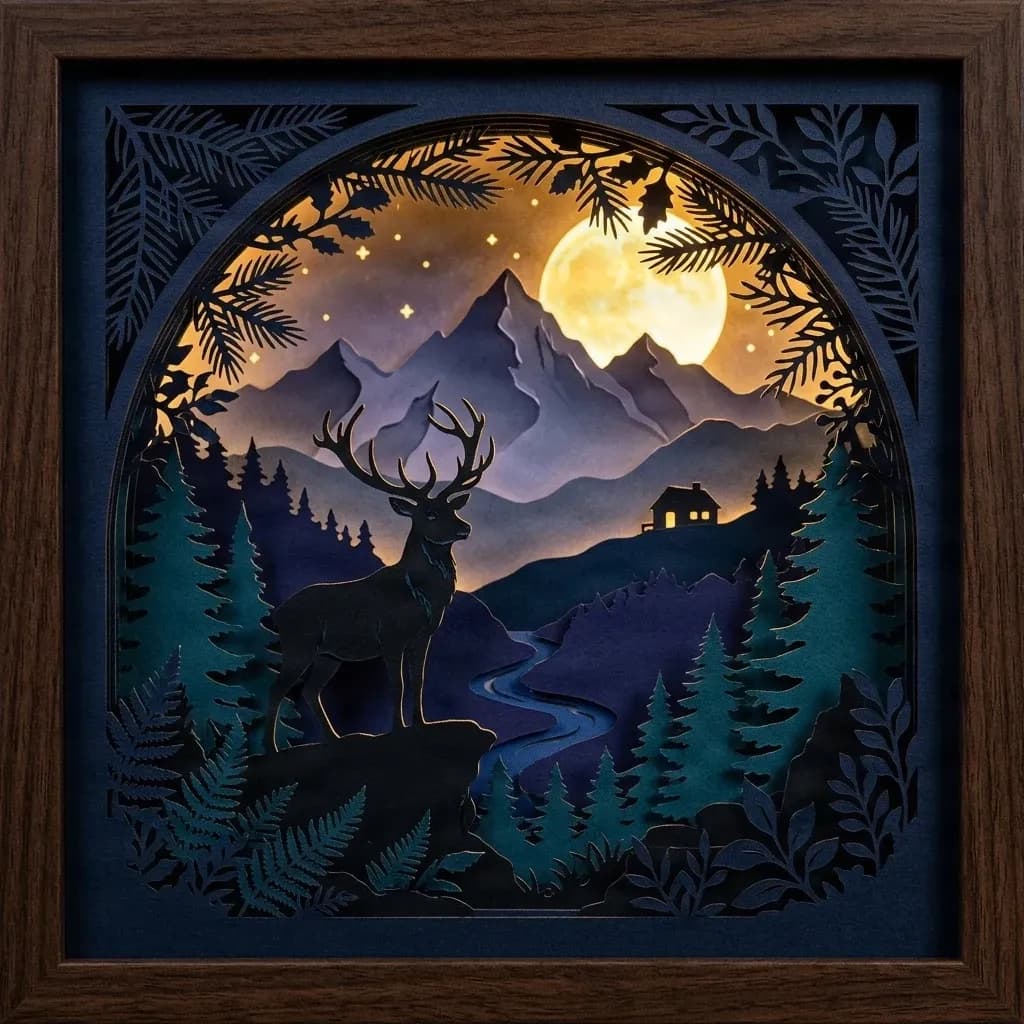
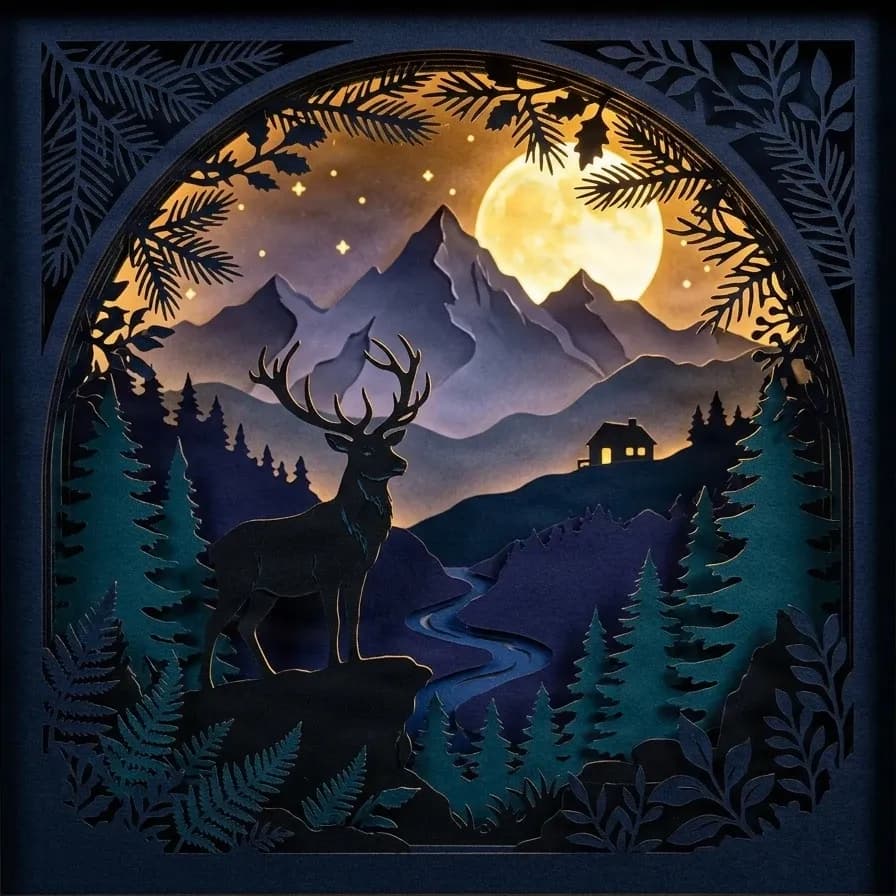
A detailed illustration may appear as one complete image, but its scenery, plants, subjects, and decorative details can often be explored individually. Try our existing woodland examples to see how image separation works.
These examples demonstrate layer exploration using existing illustrated artwork; they are not dedicated flower or bouquet results.
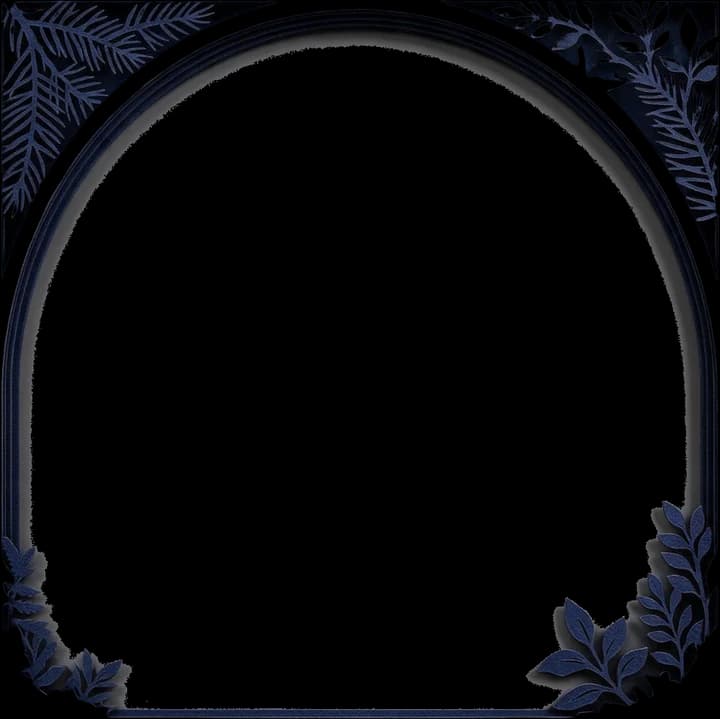
Framed Forest Artwork
17 AI image layers
Explore an illustrated forest scene with trees, decorative plants, mountains, a moon, a deer, and an outer frame. Select individual elements to inspect their image layers.
Layers in these examples
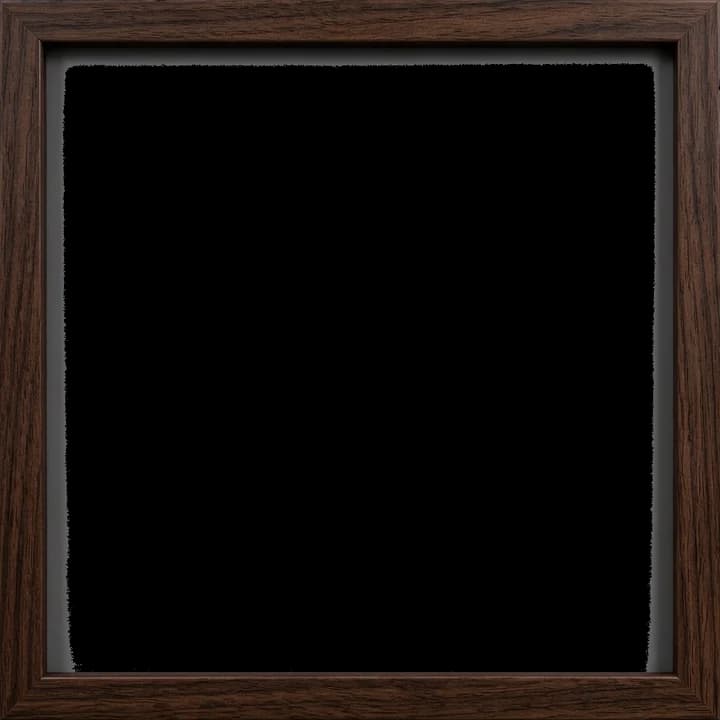
Wooden picture frame
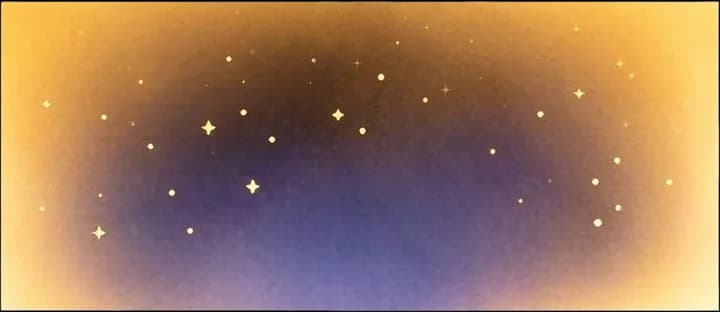
Star sky background
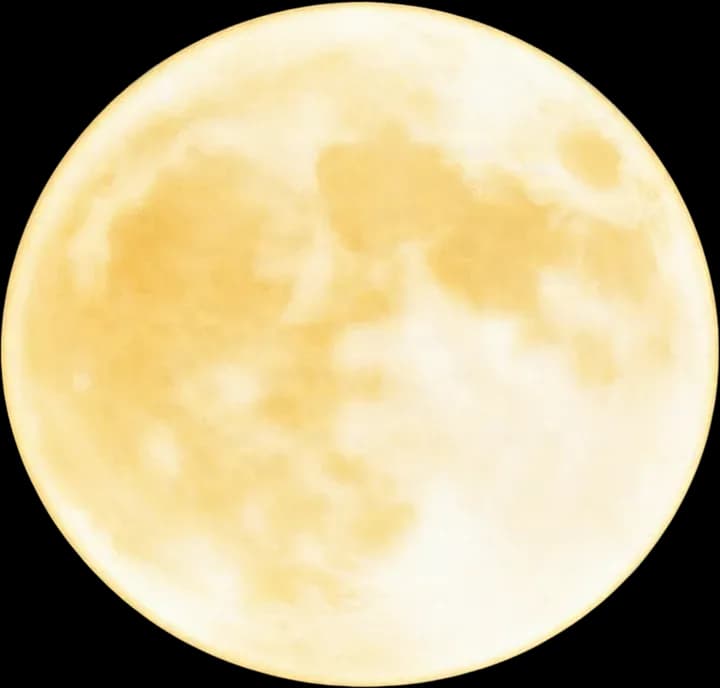
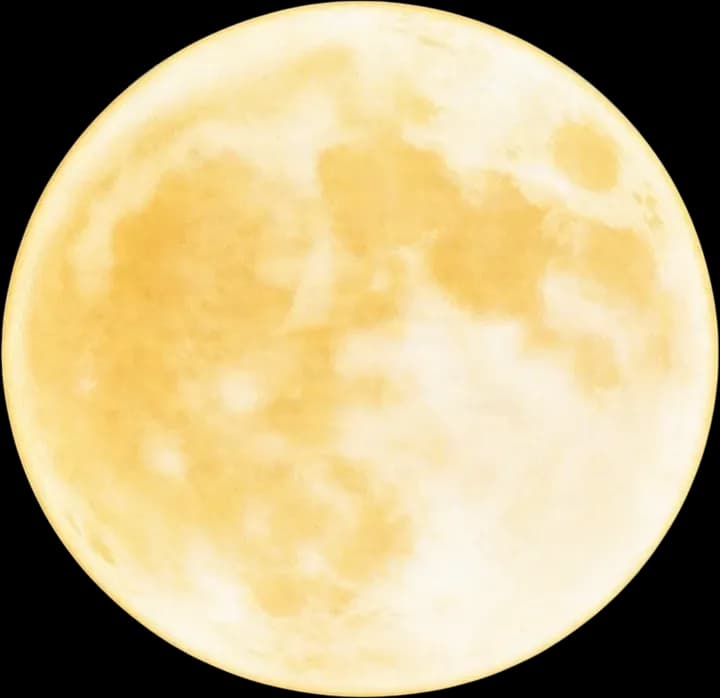
Full moon
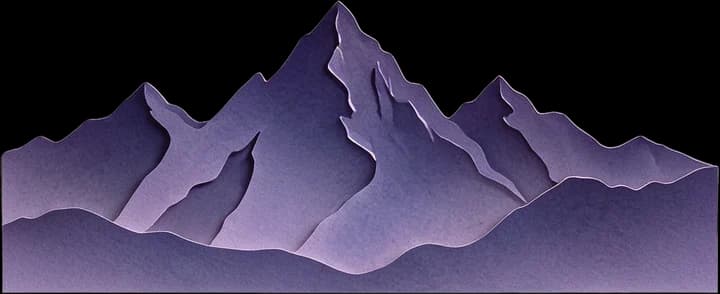
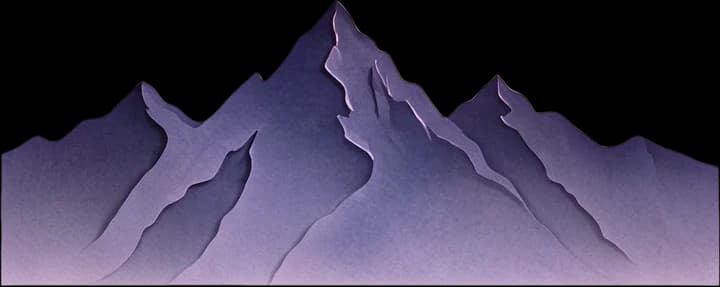
Distant mountain range
Inner frame dark blue base
Top-left plant
Top-right plant
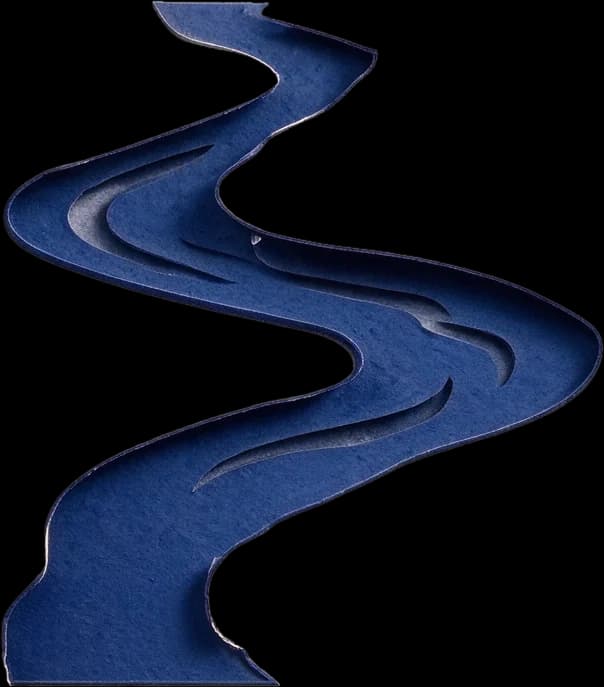
Stream
Left dark forest
Hillside cabin
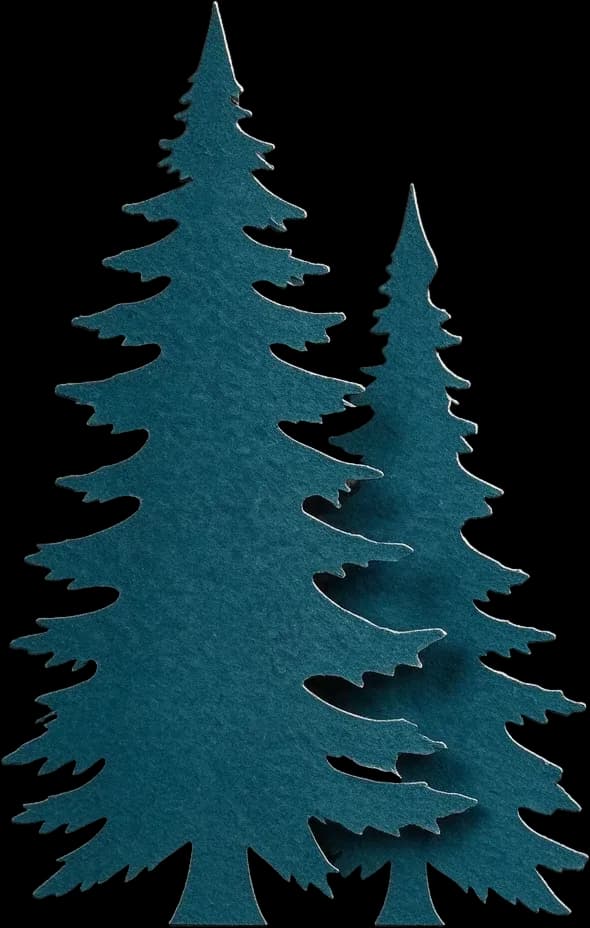
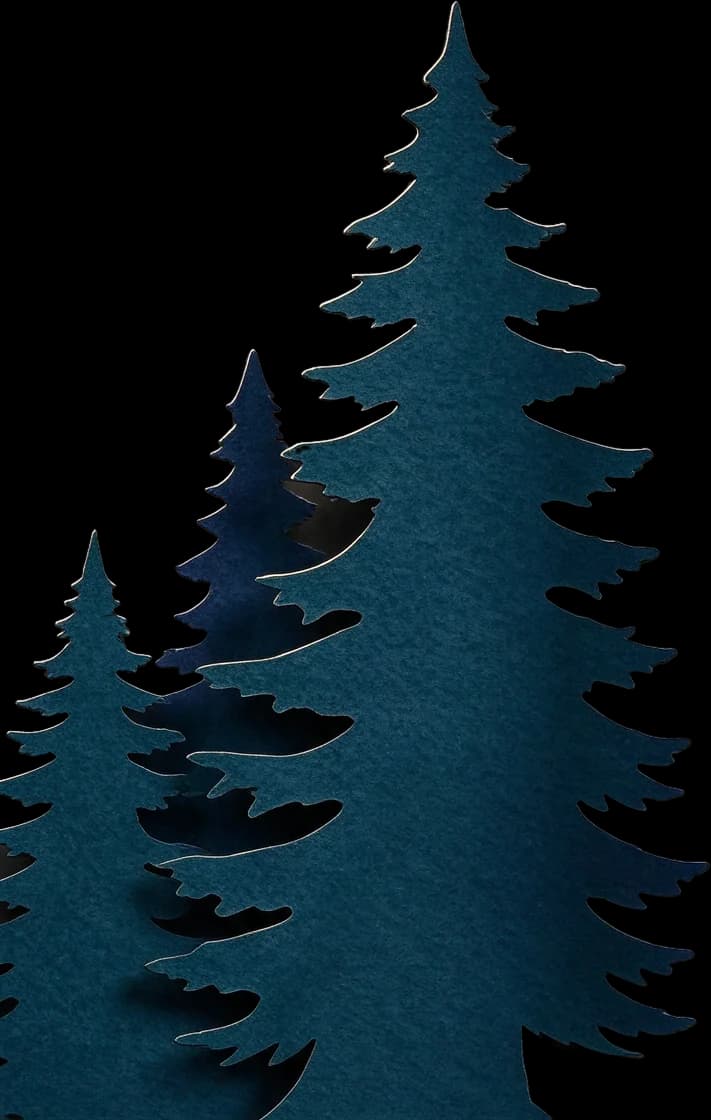
Left foreground conifer
Right foreground conifer
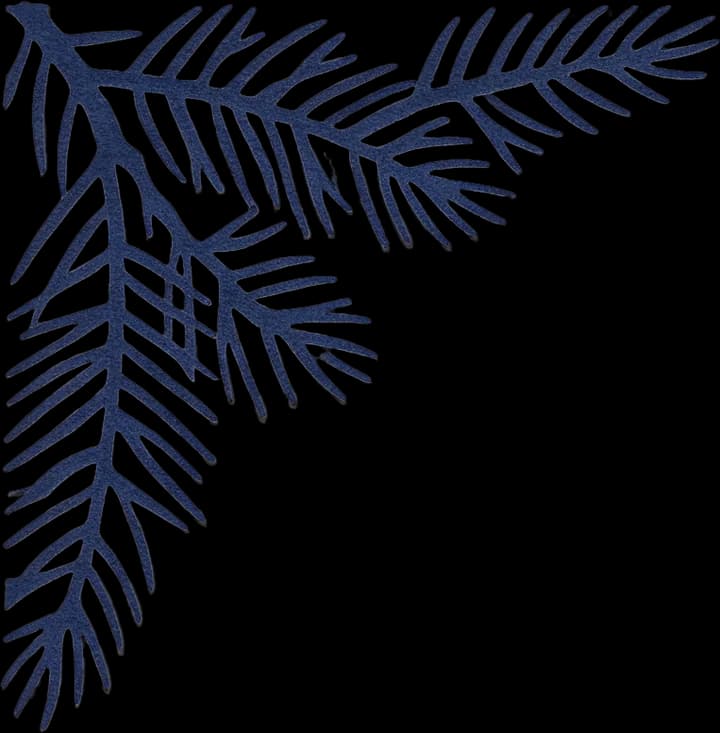
Top pine branch
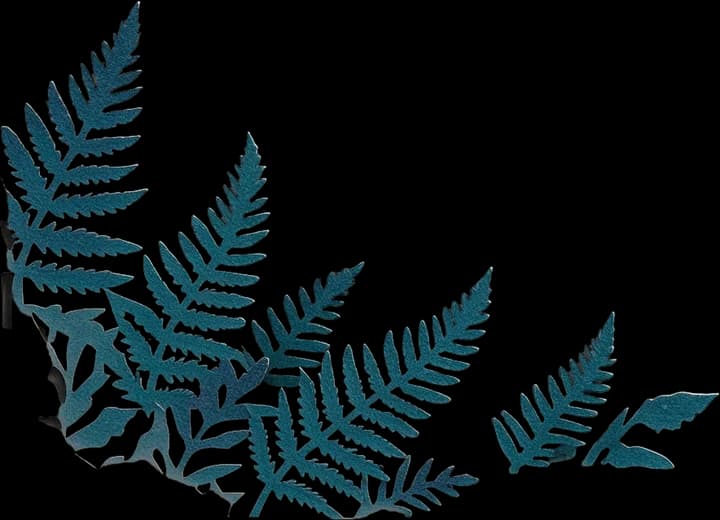
Bottom fern plant
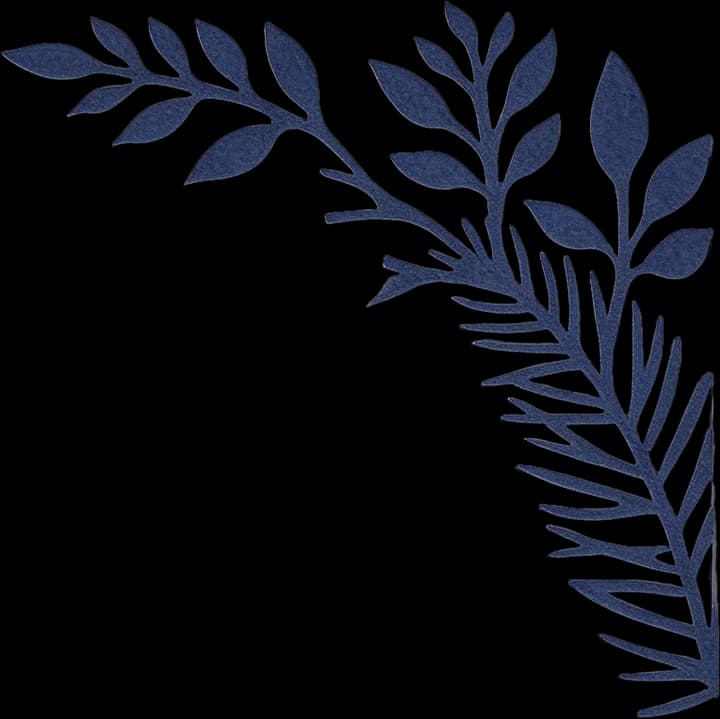
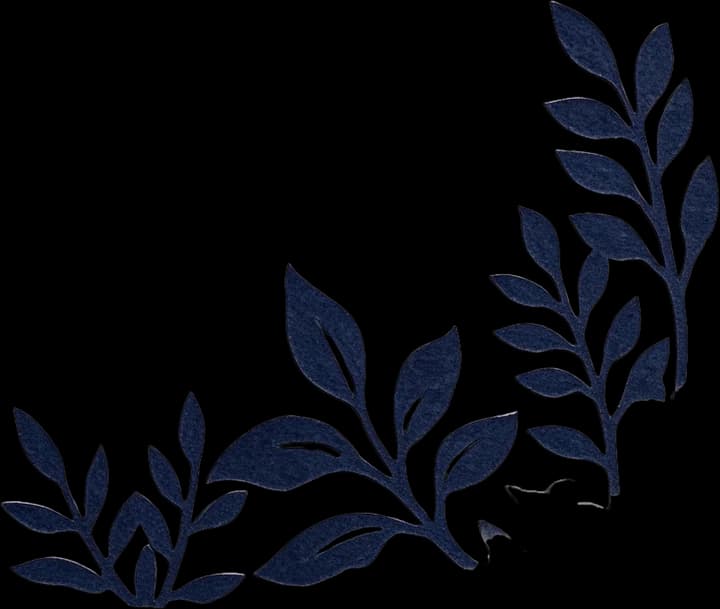
Bottom-right plant decoration
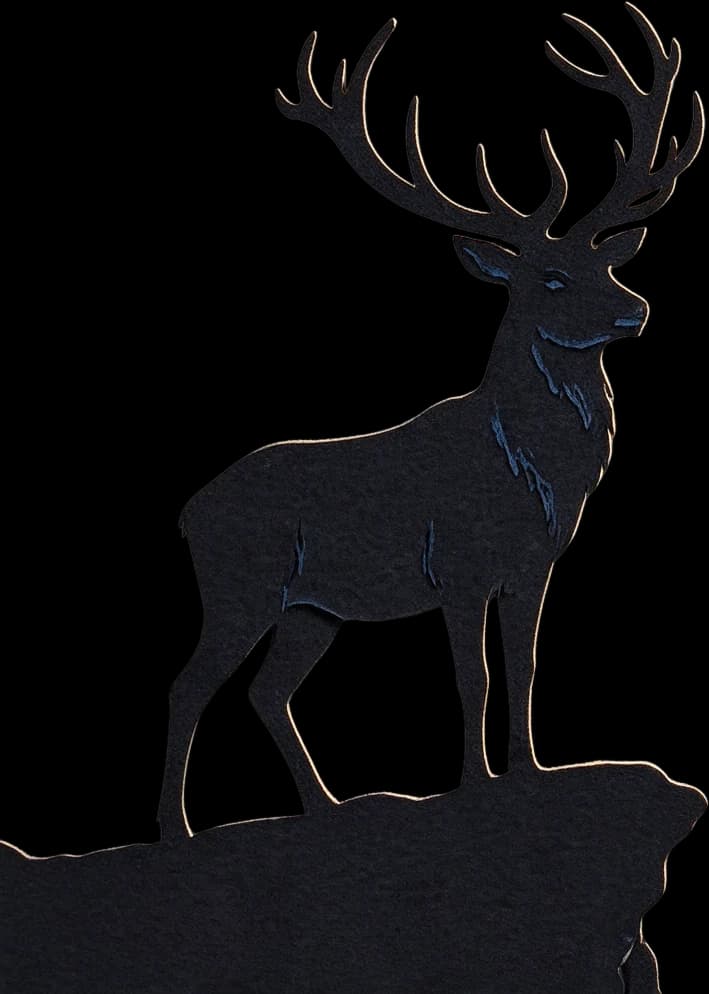
Foreground stag main
Paper-Cut Forest Artwork
16 AI image layers
Explore the same woodland scene without its outer frame. Inspect foliage, landscape, and decorative details as separate editable image elements.
Layers in these examples
Starry sky background
Purple distant mountain range
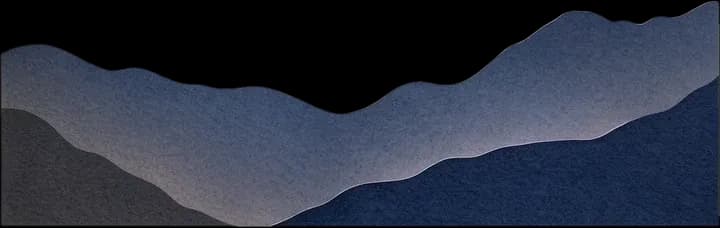
Dark gray midground mountain range
Full moon
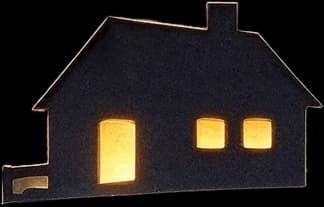
Hilltop cabin
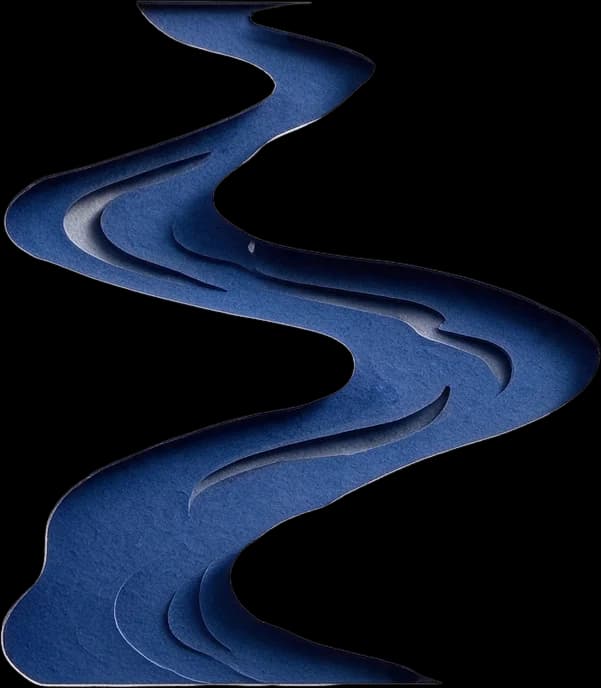
Winding river
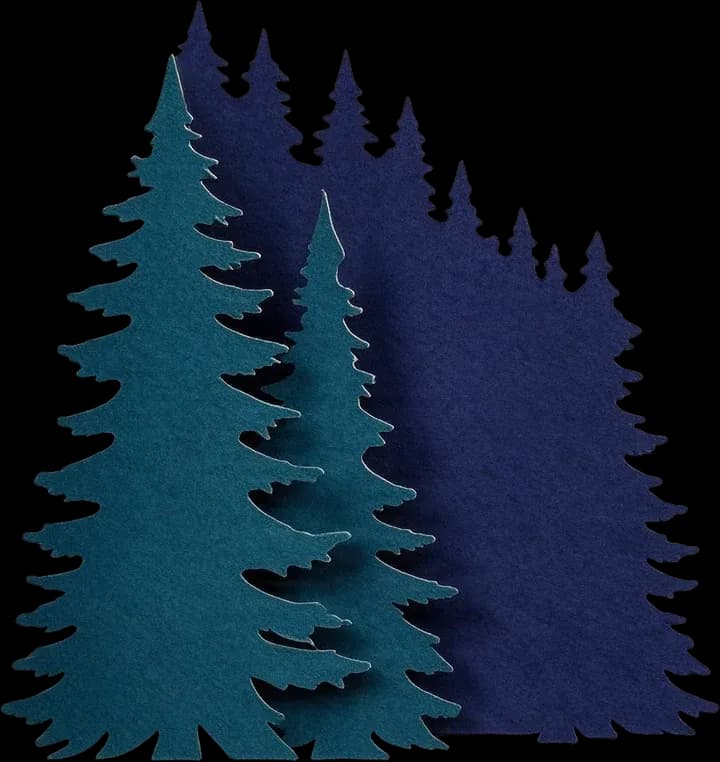
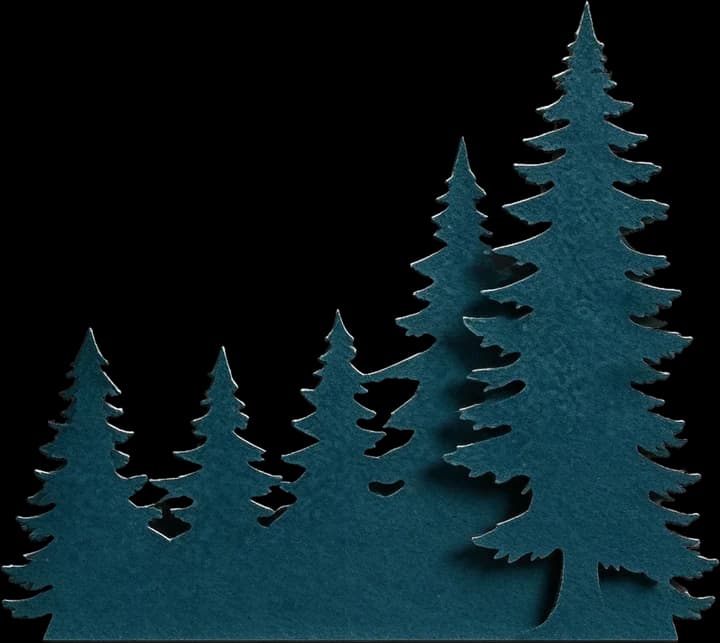
Left fir tree cluster
Right fir tree cluster
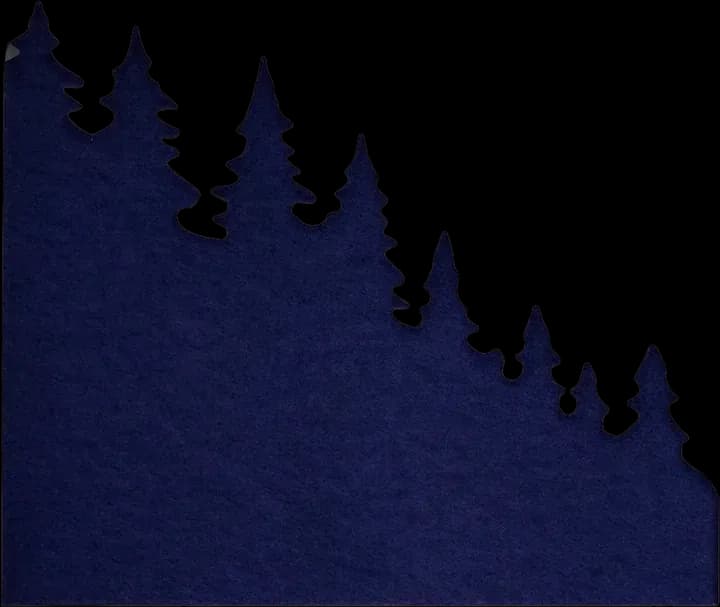
Bottom fir tree cluster
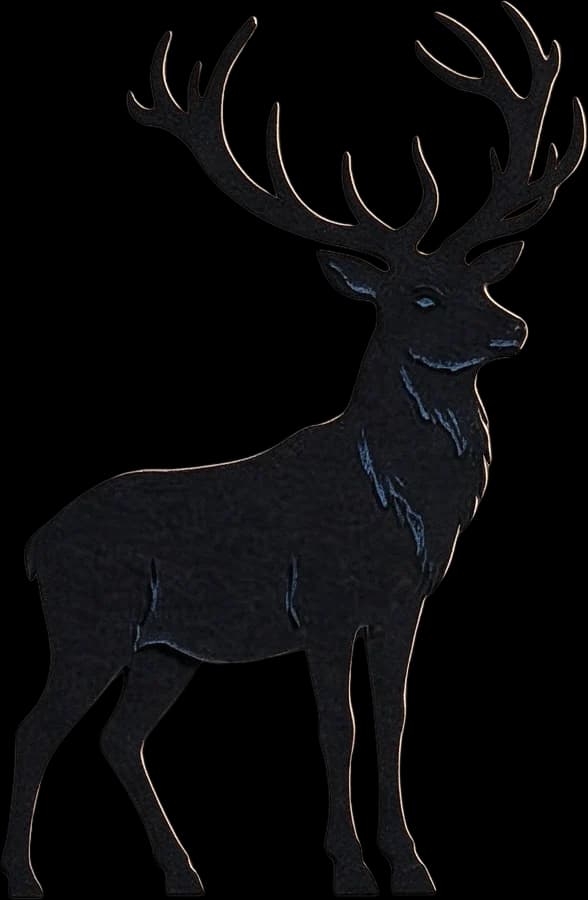
Foreground stag
Stag's rocky platform
Top arched pine branch
Bottom fern
Bottom broadleaf plant
Outer dark decorative border
Select an image layer to inspect it, then return to the complete composition to see how the elements fit together.
These are real AI-separated woodland illustrations, not dedicated flower or bouquet separation examples. Layer counts include background layers. Floral images may produce different results, especially where petals, leaves, and stems overlap.
Make more from the flowers you love
Spend Less Time Selecting. More Time Creating.
Flowers overlap leaves, stems disappear behind a bouquet, and tiny petals blend into the background. Separate image elements provide a more flexible starting point when the original design is flattened.
Explore Individual Flowers and Clusters
Let AI attempt to identify flowers and groups of blossoms within the composition.
Work with Leaves and Greenery
Inspect foliage, stems, and other botanical details separately when the model identifies distinct elements.
Refine the Arrangement More Easily
Explore adjusting individual image elements instead of repeatedly modifying the whole flattened image.
Start with Your Own Floral Design
Use a photo, illustration, or artwork you're authorized to use rather than recreating the entire design from scratch.
Prepare Artwork for Paper-Cut Projects
Review and simplify suitable floral elements before creating your own physical cutting shapes.
Continue into SVG When Needed
Choose a suitable separated image element for the existing, separately charged vector conversion workflow.
Floral artwork for meaningful projects
From Your Favorite Flowers to Personalized Layered Art
Choose a meaningful floral image and explore how its visible flowers, foliage, and background can become source elements for further design work.
Floral Shadow Box Artwork
Start with a floral illustration or photo and explore separating visible flowers, foliage, and background for your own layered design.
Rose & Botanical Paper Art
Prepare roses, blossoms, leaves, and botanical decorations before developing simplified paper-cut artwork.
Mother's Day & Birthday Gifts
Use a favorite flower illustration or authorized photograph as the starting point for a personalized floral keepsake.
Wedding Bouquet Keepsakes
Explore separate elements from a meaningful bouquet image. Review the output because individual flowers and fine details may change.
Seasonal Floral Decorations
Prepare artwork featuring spring blossoms, summer flowers, autumn foliage, or winter botanical arrangements.
Digital Floral Cutting File Projects
Work with original or licensed botanical artwork as source material when developing SVG cutting designs or paper craft templates.
Image separation provides editable visual elements, not finished paper flowers, physical decorations, verified machine-cutting templates, or completed shadow box products.
From flat floral image to editable elements
Prepare Your Floral Artwork in Five Steps
Step 1
Upload a Floral Image
Choose a flower photograph, botanical illustration, bouquet picture, or other floral artwork with recognizable subjects and shapes.
Step 2
Generate Image Layers
Use Detailed Layers to attempt to separate visible flowers, foliage, stems, decorative elements, and backgrounds.
Step 3
Inspect the Floral Details
Review the generated layers. Check overlapping petals, leaf edges, stems, transparency, and areas reconstructed by AI.
Step 4
Refine and Export
Use available image layer editing tools and download supported formats for further design work.
Step 5
Develop Your Shadow Box Artwork
Decide which floral elements to simplify, combine, or rearrange. Prepare suitable cutting paths, dimensions, and assembly details separately.
The tool creates editable image elements rather than automatically producing a complete floral shadow box or physical paper flower pattern.
Create with flowers that mean something
Some Flowers Are More Than Decoration
Maybe you love the flowers that bloom in your garden each spring, have a photograph of your wedding bouquet, or are creating a gift using someone's favorite rose, sunflower, peony, or wildflower.
Instead of choosing an unrelated floral template, start with the photo or illustration you already care about. Explore the visible elements, choose the shapes that matter, and develop a more personal design.
Image separation does not replace every stage of cutting-file preparation, but it can make image editing more flexible.
Start with a meaningful floral image
Keep the original artwork as a reference
Explore individual flowers and decorative elements
Refine the composition for your project
Prepare artwork for personalized gifts and home decor
Explore separating existing botanical artwork before simplifying it into layered paper compositions.
Shadow Box Makers
Prepare individual floral and decorative image elements for custom layered shadow box designs.
Cricut & Silhouette Crafters
Use separated floral images as source material for further vector editing and cutting-file preparation.
Laser Cutting Designers
Explore suitable botanical shapes before creating and reviewing vector cutting paths for the intended material.
Etsy & Digital Template Sellers
Prepare original or authorized floral artwork for custom cutting designs, paper art patterns, and personalized products.
Personalized Gift Creators
Start with meaningful flower images for Mother's Day, birthdays, weddings, anniversaries, and other occasions.
Know what you're creating
An Editable Flower Image Is Not a Finished Paper Flower Pattern
A flower photograph contains overlapping petals, shading, texture, tiny details, and natural curves. A physical paper flower or layered shadow box needs shapes that can be cut, positioned, and assembled.
These are different stages of the design process.
What ImageToLayers Helps You Do
Start with an existing flower photo or illustration
Attempt to separate flowers, leaves, and background elements
Inspect visible botanical details individually
Refine supported image layers
Download available PNG and PSD image exports
Continue selected image elements into SVG conversion
What Still Requires Design Work
Decide which flowers or shapes belong in the physical composition
Simplify intricate petals, textures, and fine botanical details
Create and review appropriate vector cutting paths
Add support or connecting shapes where needed
Determine the number of physical material layers
Prepare dimensions and alignment
Design assembly and framing
Test shapes before cutting or selling them
The number of AI-generated image layers does not represent a guaranteed number of physical paper sheets, petals, or assembled flower components.
Choose a useful starting image
Get More from the Flowers You Upload
A clear floral image can make the resulting image layers easier to inspect and refine.
Choose Recognizable Flowers
Images with clearly visible blossoms and leaf shapes are useful for evaluating separation results.
Look for Distinct Floral Clusters
Recognizable groups can be easier to inspect than a dense mass of tightly overlapping petals.
Consider the Background
Simple or visually distinct backgrounds can help you see botanical elements clearly.
Watch for Tiny Details
Fine stamens, wispy stems, thorns, and small leaves may be distorted or grouped with surrounding elements.
Use Clear Source Artwork
Choose a good-quality original image rather than a blurry photograph or compressed screenshot.
Think About the Final Material
For physical paper cutting, consider which floral shapes could become stable silhouettes instead of preserving every photographic detail.
Review the botanical elements that matter to your design before continuing. Fine, overlapping details may need manual correction.
Large Flowers and Blossoms
Check whether main flower heads have been separated as expected or grouped with surrounding greenery.
Overlapping Petals
Individual petals may remain combined, especially inside dense blossoms such as roses, peonies, and chrysanthemums.
Leaves and Branches
Inspect where foliage crosses other objects or disappears behind flowers. Thin leaf edges may need cleanup.
Stems and Ribbons
Narrow stems, bouquet ribbons, and other connecting details can be fragile in a physical cutting design.
Fine Botanical Texture
Tiny veins, stamens, thorns, and decorative patterns may be simplified, altered, or lost.
Hidden or Reconstructed Areas
AI may estimate portions hidden behind other elements. Reconstructed details are not guaranteed to match the source.
The goal is a useful set of editable image elements. The tool does not guarantee precise botanical structure, one layer per petal, or exact reconstruction of every flower.
Floral image layer questions
Frequently Asked Questions
What is Floral Shadow Box Layers?
Floral Shadow Box Layers is an AI image separation workflow for flower photos, botanical illustrations, and other floral artwork. It attempts to separate visible flowers, leaves, stems, and background details into editable image layers for further design work.
Can I turn a flower photo into shadow box layers?
Yes. Upload a supported flower photograph and use Detailed Layers to generate editable visual elements. Results depend on the source image, especially where petals and leaves overlap.
Can I use a floral illustration instead of a photograph?
Yes. Botanical illustrations, floral drawings, rendered artwork, and other supported image types can be used. Choose artwork you own or have permission to process.
Can the AI separate individual flowers from a bouquet?
It may identify individual flowers or groups of blossoms, but it does not guarantee that every flower will become a separate layer. Dense bouquets and overlapping petals may remain grouped.
Does it separate every petal into its own layer?
No. Detailed Layers separates visual elements based on the image rather than a strict botanical structure. Individual petals may remain part of the same flower layer.
Can it separate leaves and stems from flowers?
The model can attempt to separate visible foliage, stems, and blossoms. Thin stems, partially hidden leaves, and complex overlaps may need manual cleanup.
Does it work with roses, peonies, sunflowers, and wildflowers?
You can upload images of many kinds of flowers. Results depend on image clarity and arrangement rather than a guaranteed list of supported flower species.
Can I use a photograph of a wedding bouquet?
Yes. You can inspect the visible flowers, foliage, ribbon, and background in the resulting layers, but exact reconstruction is not guaranteed.
Can I create a Mother's Day floral shadow box with this tool?
You can use separated artwork as a starting point for a Mother's Day shadow box design or personalized gift. The final cutting layout, physical assembly, framing, and lettering require further design work.
Will the tool automatically create a complete flower shadow box?
No. It generates editable image layers. It does not automatically create a completed physical shadow box, verified cutting pattern, or ready-to-assemble flower arrangement.
Can it generate 3D paper flower petals for assembly?
Not automatically. Curved petal shapes, sizing, supports, and assembly instructions for a 3D paper flower require a separate design process.
Can I choose exactly five or eight paper layers?
Not automatically. Detailed Layers identifies visual image elements rather than a fixed number of physical sheets. You can later combine or simplify elements.
How many image layers will I receive?
The count varies with the uploaded artwork. Our woodland examples have 17 and 16 AI image layers, including backgrounds, but your floral image may produce a different number.
Can I remove the background from a flower or bouquet?
The AI may produce transparent regions around separated objects. Boundaries can be imperfect or retain background content near fine foliage and overlapping petals, so review and refine the output.
Can I download individual PNG layers?
The existing ImageToLayers workflow supports PNG layer exports, subject to the completed result and available export access.
Can I export my floral artwork as a layered PSD?
The existing workflow supports layered PSD exports, subject to applicable export permissions, for further editing in compatible software.
Does ImageToLayers support Image to SVG for floral designs?
Yes. After separating your floral artwork into editable image layers, you can select a suitable floral layer and continue to our Image to SVG conversion tool. This is a separate paid step and does not automatically convert every layer.
Can I convert flower layers into SVG for Cricut or laser cutting?
You can first generate image layers from your floral artwork, then convert a selected blossom or foliage layer into SVG. The resulting vector artwork may be used as a starting point for Cricut or laser cutting designs, but delicate petal paths, bridges, and dimensions must be reviewed before cutting.
Can I use the artwork to sell floral shadow box designs?
You can use the workflow as part of a commercial design process, subject to the service terms and your rights to the source artwork. Ensure your final files and products are appropriately licensed and checked for production quality.
How much does Floral Shadow Box Layers cost?
Detailed Layers currently costs 60 credits per generation. Optional Image to SVG conversion currently costs 30 credits per selected image. These are separate paid operations.
What if the AI doesn't separate my flowers correctly?
Overlapping petals, fine stems, low-contrast leaves, and hidden details may produce imperfect layers. Review the result, use available editing options, or try a clearer source image. A particular separation or fixed layer count cannot be guaranteed.
Give Your Floral Artwork More Creative Possibilities
A beautiful flower image can be the beginning of something personal. Start with a bouquet, botanical illustration, or favorite floral design. Explore its separate visual elements and prepare artwork for a shadow box, paper-cut composition, or custom gift.